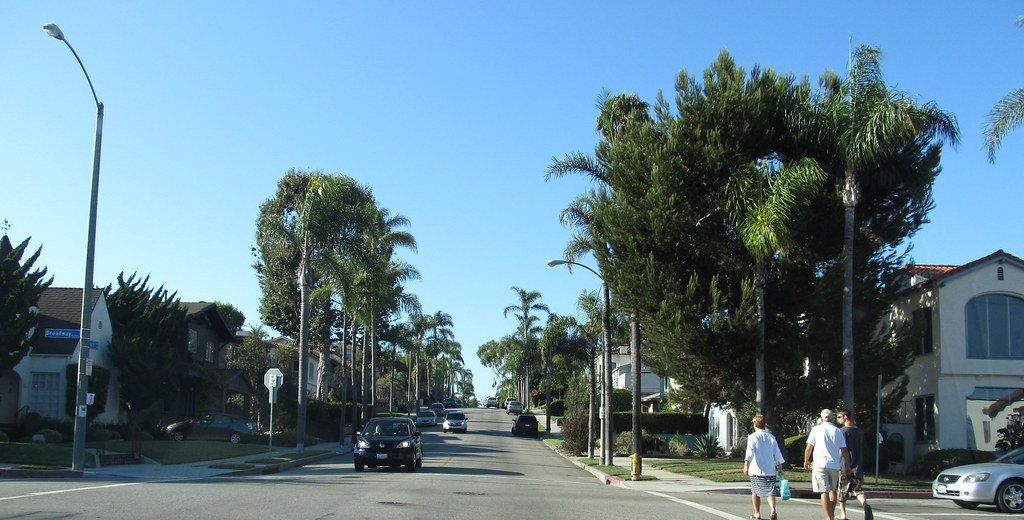
San Marino's housing is old by the Census numbers. Its median year built is 1943, and more than four in five of its units predate 1960. It is also a city with a firm owner base and a published process for roofing permits.
Housing
The Census Bureau's 2020 to 2024 estimates count about 4,439 housing units. About 82 percent predate 1960, and about 93 percent predate 1980. Owners occupy about 83 percent. The median home value is over $2 million.
A stock built mostly before 1960 may have been re-roofed more than once, though the data cannot confirm it for any address.
Period houses and tile
Southern California houses of the 1930s and 1940s include Spanish, Mediterranean, Colonial and English revival types. Clay tile is common in the first two, and slate or wood shingle in others.
For an older tile roof, the underlayment is the question. Fixr's January 31, 2025 guide advises replacing it under tile every 20 to 30 years. If tile was last relaid in the 1980s, the layer beneath it has been there a long time. A lift and relay can save sound tile for reuse. Fixr gives $3 to $5 per sq ft for that work and assumes about 10 percent breakage. Old clay can be hard to match, so breakage on a vintage roof may matter more than the percentage suggests.
Fixr's August 29, 2025 clay guide gives $11,046 to $22,266 nationally for a clay roof. The cost guide sets out the ranges.
No mapped fire zone
CAL FIRE's current map shows no part of the city in a Fire Hazard Severity Zone, at any level. This is what the map shows. It is not a promise about a specific lot, and maps get revised.
Why the age matters here
With a median year of 1943, many San Marino houses were built before modern building codes took their present form. Ask the Building Division how current requirements apply to a house of your age, and ask your bidder to price the work to that standard.
Climate
San Marino is in climate zone 9. The nearest NOAA station, Pasadena 2.0 SE, is about 2.1 kilometers off and records 18.57 inches of rain a year.
The California Energy Commission's 2022 cool roof sheet says requirements for alterations, which include re-roofs, apply in additional climate zones beyond those listed for new homes. Ask the building department which cool roof values apply to your re-roof.
Permits
The city's Building and Safety page says permits are required for re-roofs, among other work. It also says roofing, electrical and plumbing permits are the only ones that may be issued online, and every other type is issued in person. Contractors are encouraged to begin through the city's CommunityCore portal, where status, payments and inspections can be handled.
For plan check, the page lists the counter hours as Monday through Thursday, 7:00 a.m. to 5:00 p.m., and Friday, 7:00 to 11:00 a.m. Inspections are scheduled Monday through Thursday only. The page lists no permit fees. Hours change, so confirm them first.
Quiet streets, careful work
A city with this much older housing rewards careful work. Before any tile leaves the roof, ask how it will be numbered or stacked, where it will be stored and how it will be protected from the weather. Sound clay can be reused, and a bidder who plans for that will say how. Ask also for a photo record of the roof deck once it is exposed, since that is when hidden damage shows itself. They are things to ask, not figures to expect.
Questions worth asking
- Has the roof been re-roofed, and is there a permit on file?
- Is the old tile being kept, and who owns the risk of breakage?
- Does the bid cover underlayment, flashing and the chimney?
- Who applies for the permit in the portal?
Check any roofer's license at the Contractors State License Board. This publication is information only. It is not a contractor and does not bid work.
Sources
- U.S. Census Bureau, ACS 2020-2024 5-year estimates, summed by tract
- NOAA 1991-2020 climate normals
- CAL FIRE, Fire Hazard Severity Zones
- Fixr, Clay Tile Roof Cost (updated August 29, 2025)
- Fixr, Roof Underlayment Replacement Cost (updated January 31, 2025)
- RoofingCalc, Concrete Tile Roof Cost (updated July 30, 2023)
- California Energy Commission, cool roof requirements fact sheet (2022 Energy Code)
- City of San Marino, Building and Safety