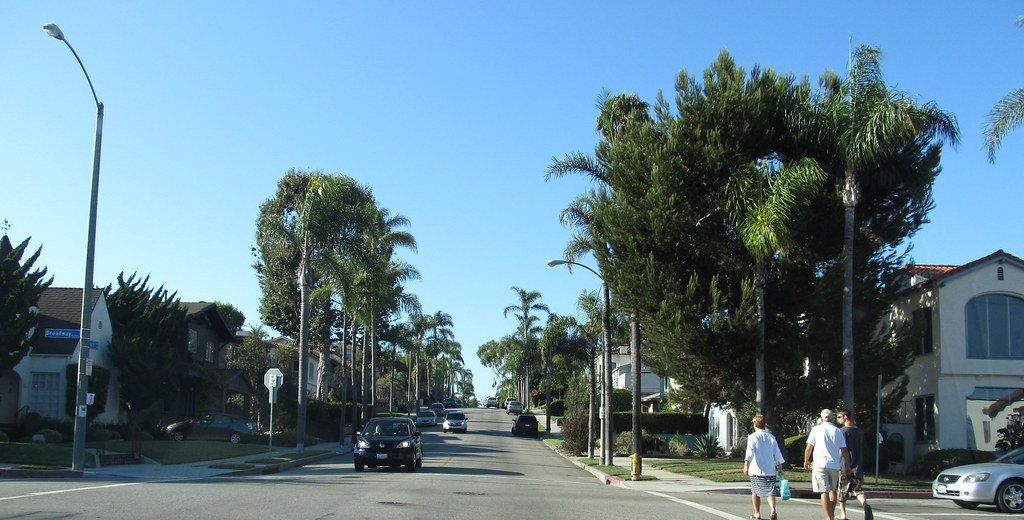
Hidden Hills is a small city of large lots, and most of its homes are owner occupied. Its housing is newer than that of many neighbors, which changes the roof conversation. Here, the question is often not whether a roof is old, but whether the underlayment and details beneath a good tile have kept up with the tile.
The housing picture
The Census Bureau's 2020 to 2024 estimates count about 1,201 units. The median year built is 1986. About 17 percent of units predate 1960 and about 44 percent predate 1980. Owners live in about 90 percent of them. The median home value is over $2 million.
A 1986 median points to a stock built in the later decades of the century. Tile roofs are common in houses of that period in Southern California, and custom estates may carry either. We say "may" because the data stops at the median.
A newer roof, an older layer
Tile can last for generations. Underlayment cannot. Fixr's January 31, 2025 guide advises replacing underlayment under tile every 20 to 30 years. A house built in 1986 is now about 40 years old. If the original underlayment is still there, it may be well past the interval, even if the tile above looks fine from the street.
That is the case for the lift and relay. Fixr gives $3 to $5 per sq ft for removing tile, replacing underlayment and setting the tile back, and it assumes about 10 percent breakage. On a 4,000 sq ft roof, a figure that is plausible on a large lot but is our illustration and not a quote, the same range gives $12,000 to $20,000. For comparison, Fixr's August 29, 2025 clay guide gives about $994 per square for new clay installation nationally, or about $39,760 for 40 squares.
Those are calculations from published national figures. Large roofs often have more cuts, more flashing and more hand work, and a bid may land away from the arithmetic. See the cost guide.
Fire hazard
CAL FIRE's current map covers about 94 percent of the city's area at some hazard level and about 69 percent at very high. That is about 748 acres.
We leave fire code interpretation to the city. What a homeowner can do is ask which roof classification the city requires, and to see the listing for any product before it is ordered.
Weather
The city is in climate zone 9. The nearest NOAA station is at Woodland Hills Pierce College, about 7.8 kilometers off, and it records 16.41 inches of rain a year. Whether tile of a certain color meets cool roof values depends on its label.
How permits work here
The city's Permit Center page is the source here. It says plan checks and permits can now be applied for online. Applicants create an account, verify an email address, fill in the application and upload plans as PDFs. The system also lets you pay most fees by card, which carries convenience fees, and request inspections for permitted work.
The page says nothing about roofing in particular. Building and Safety office hours on the page are 9:00 to 11:00 a.m. on weekdays, and the department's phone is listed as 818-888-9281. Hours can change. Call before you plan a visit.
Reading the data with care
The housing figures are estimates built from Census tracts, and a small city has few tracts. Treat the median year of 1986 as a center of gravity, not a rule. A custom house from the 1990s may stand beside one from the 1960s. For roofing, the useful move is to find the real age of the roof and of the underlayment beneath it, from permit records or from a roofer who lifts a few tiles. That one fact does more for a budget than any statistic on this page.
Questions to carry into a bid
- Is the quote for new tile, a lift and relay or repair?
- What is the breakage allowance, and what happens if it is exceeded?
- Who files the online application, and who requests inspections?
- Will the roof's framing be reviewed?
Verify the license of any roofer at the Contractors State License Board. This publication is information only. It is not a contractor and does not bid work.