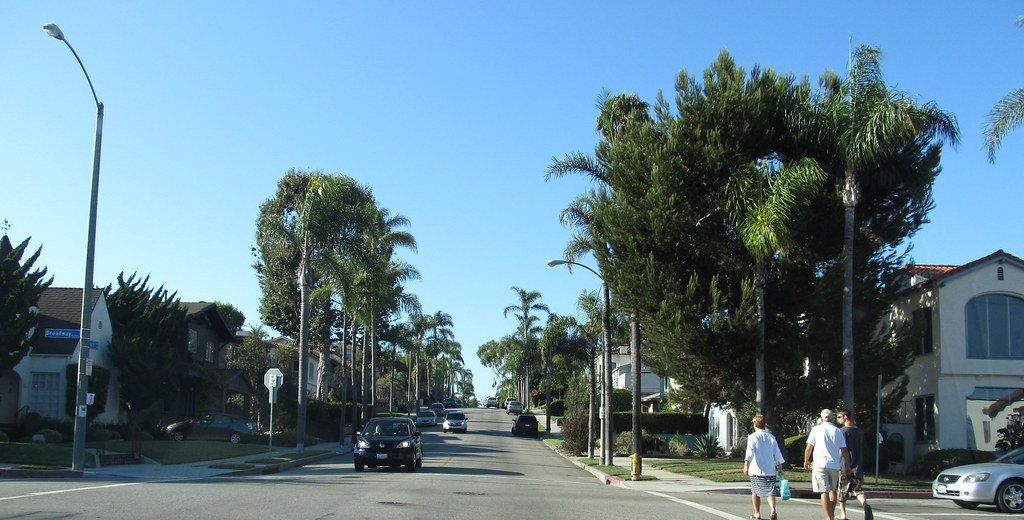
Beverly Hills is a city of old streets and carefully kept houses, and its roofs reflect that. Tile has long been part of the look of Southern California's residential architecture. This page reads the city through its public data and asks what that data suggests for anyone budgeting a clay or concrete tile roof.
The houses
The Census Bureau's 2020 to 2024 estimates count about 16,552 housing units in the city. The median year built is 1958. About 53 percent of the units date from before 1960, and about 79 percent from before 1980. These are estimates summed from tract data, not a survey of every address.
An older stock matters for roofs. A house from the 1920s or 1930s may carry the Spanish or Mediterranean revival profile that clay barrel tile is associated with, and tile is common in that era's Southern California houses. A house from the 1950s may have been built with a different covering, or re-roofed in tile later. The data cannot tell us which. The roof on a given house is a fact to be read from the roof.
Median home value in the city is over $2 million, the point at which the Census stops reporting a figure. Owners occupy about 41 percent of units, which suggests a larger part of the housing is rented. For a tenant, the roof is a landlord's decision. For an owner of a rental, it is a long-lived cost to plan.
What the age implies for a tile roof
Tile outlasts its underlayment. Fixr's January 31, 2025 guide says underlayment beneath tile should be replaced every 20 to 30 years. On a house whose median build year is 1958, a roof that has never had the layer beneath the tile renewed has gone well past that interval. If the tile above is sound, the cost-saving path is a lift and relay. Fixr gives $3 to $5 per sq ft to remove tile, replace underlayment and reinstall it.
A full new clay roof is a larger sum. Fixr's August 29, 2025 guide puts clay at $11,046 to $22,266 nationally, with a replacement average of $20,055. Those are national estimates. A hillside or high-value house may price above them, and we do not have a source for how far.
Read the full cost guide for the line-by-line view.
Fire map coverage
CAL FIRE's current map places about 49 percent of the city's area in a Fire Hazard Severity Zone of some level. About 42 percent, or roughly 1,542 acres, lies in the very high zone. The data here is by area share and does not tell us which streets.
A mapped zone is a rule set, not a forecast. It can affect what roof assembly a permit will accept. Ask the city which classification applies at your address before choosing a product.
Climate
The city sits in California climate zone 9. The nearest NOAA station, at UCLA about 4 kilometers away, records an annual average of 17.73 inches of rain for 1991 to 2020. That is a moderate figure. Tile sheds water well. Leaks on a tile roof can start at valleys, flashing, ridges and penetrations rather than in the field of the roof, and even moderate rain can find a weak detail.
The Cool Roof Rating Council summarizes the 2025 Energy Code, in force from January 1, 2026, and lists cool roof values for alterations in climate zones 8 through 15 for multifamily roofs. Single-family rules are in Sections 150.1(c)11 and 150.2(b)1I of the code. Confirm which applies to your permit date.
Permits
This page does not describe the city's re-roof process, fees or required documents. Contact the city's building department before you plan a schedule. Ask what documents the roofing product needs, whether the roof material is reviewed, and how inspections are booked.
Before you sign
- Check any roofer's license at the Contractors State License Board. Roofing is classification C-39.
- Ask for the scope in words: new tile, lift and relay or repair.
- Ask whether the old tile is reusable and how much breakage the price assumes.
- Ask for the permit to be named in the bid and who pulls it.
This publication is not a contractor and does not bid or sell roofing work. It is a place to read the numbers before you speak with one.